
Black ESD-Safe Rubber Bands
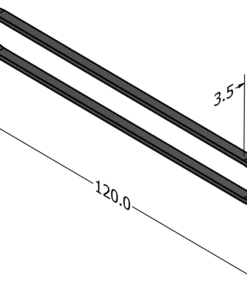
120mm x 3.5mm (4.75″ x .125″) Black ESD-Safe Rubber Band | MC-CRB2

Black ESD-Safe Rubber Bands
160mm x 3.5mm (6.25″ x .125″) Black ESD-Safe Rubber Band | MC-CRB3

Black ESD-Safe Rubber Bands
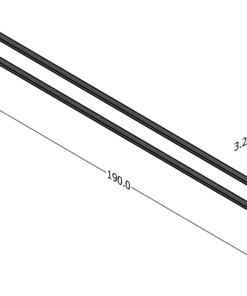
190mm x 3.2mm (7.48″ x .125″) Black ESD-Safe Rubber Band | MC-CRB9
Black ESD-Safe Rubber Bands
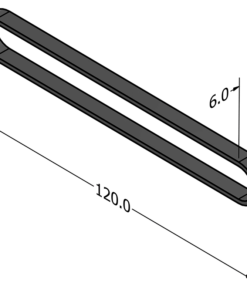
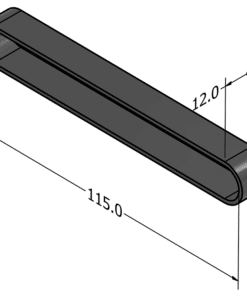
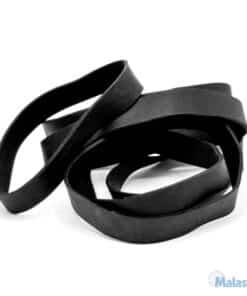
115mm x 12mm (4.5″ x .50″) Black ESD-Safe Rubber Band | MC-CRB10
Black ESD-Safe Rubber Bands for Component Retention
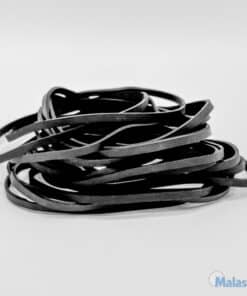
Malaster black ESD-safe rubber bands provide reusable retention for IC shipping tubes, JEDEC trays, protective boxes, component kits, and other static-sensitive packaging. Their flexible construction makes them useful for temporary bundling, organization, handling, storage, and shipment within ESD-controlled operations.
Frequently searched for as conductive rubber bands, current Malaster MC-CRB products are manufactured from impregnated natural rubber and classified as static dissipative. Their controlled surface-resistivity range is lower than that of Malaster’s pink MC-ASRB bands, making the black family an option when a lower-resistance static-dissipative retention band is specified or preferred.
Why Are These Products Called Conductive Rubber Bands?
“Conductive rubber bands” remains a familiar market, search, and legacy purchasing term for black ESD-oriented rubber bands. Malaster retains the MC-CRB designation to preserve continuity with customer purchasing records, approved material lists, drawings, and historical specifications.
Current controlled Malaster data classifies black MC-CRB rubber bands as static dissipative, not conductive.
Read the complete technical explanation →
Common Applications
Bundling and retaining groups of component shipping tubes.
Temporarily securing stacked trays during handling or storage.
Holding boxes, containers, and component kits securely closed.
Organizing components and packaging within production areas.
Providing reusable temporary retention without adhesive residue.
Supporting application-specific component handling and packaging.
Packaging, Storage, and Inspection
Standard Packaging
Bands are packaged by weight in 1-kilogram polyethylene bags. Published piece counts are approximate and vary by band size and normal manufacturing tolerances.
Storage Guidance
Keep bands in their original packaging until needed. Protect them from ultraviolet light, excessive heat, ozone, oils, solvents, contamination, and prolonged stretching or compression.
After Opening
Reseal opened packages and plan to use black MC-CRB bands within 9 to 12 months. Apply first-in, first-out inventory practices and inspect the bands before use.
Replace bands showing cracking, hardening, tackiness, discoloration, surface damage, deformation, or loss of elasticity. For ESD-critical applications, resistance should be verified as part of the customer’s product-qualification and ESD-control process.
Choosing Between Pink and Black ESD Rubber Bands
Both Malaster rubber-band families are static dissipative, but their construction and controlled resistance ranges are different. A lower resistance does not automatically make one band better for every application. Product selection should consider the device being handled, intended contact, packaging configuration, grounding conditions, and applicable ESD-control requirements.
Compare Pink and Black ESD Rubber Bands →
Need Help Selecting a Size?
Malaster can review your retention requirements, packaging configuration, and application to help identify an appropriate MC-CRB size. Material data sheets and supporting RoHS and REACH documentation are also available.