


MC-2085AFD Soft Antistatic Foam Cushion for 2085-Series Boxes
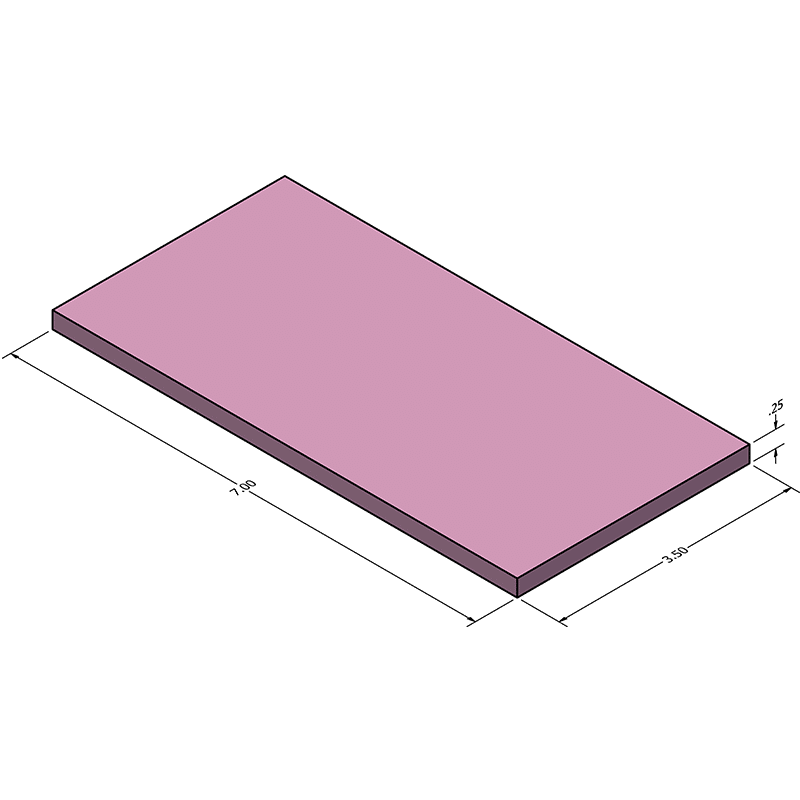
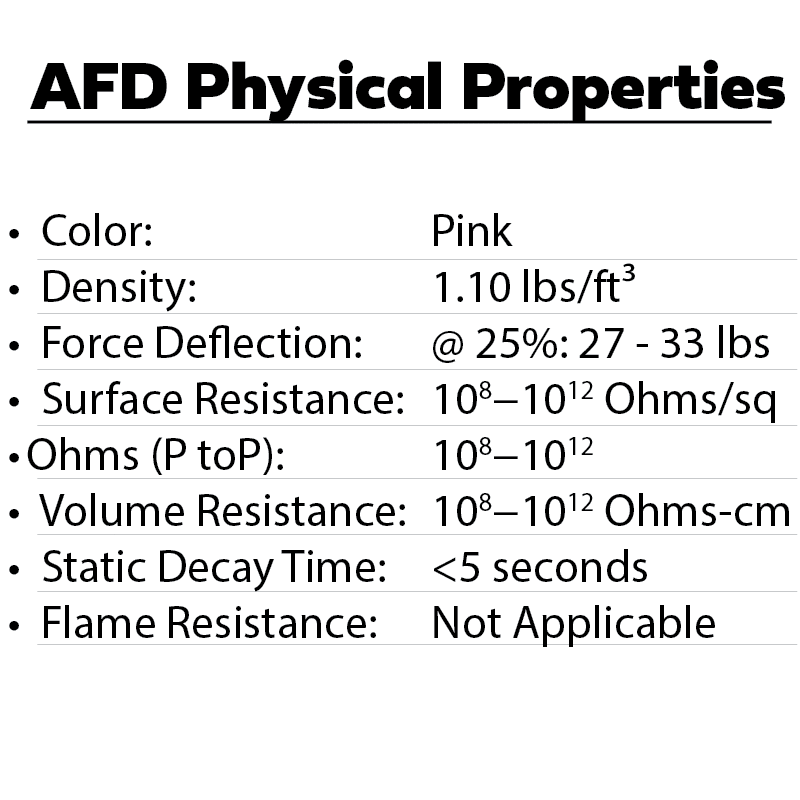
Antistatic ESD foam MC-2085AFD is a 0.25-inch-thick, 3.50 × 7.00-inch flat cushion made from soft, antistatic open-cell polyether polyurethane foam for 2085-series box configurations. Supplied as one foam cushion; the box and other components are separate. Review the component’s contact requirements, foam compression and available closed-box space before selecting the arrangement.
Antistatic ESD Foam MC-2085AFD for 2085-Series Boxes
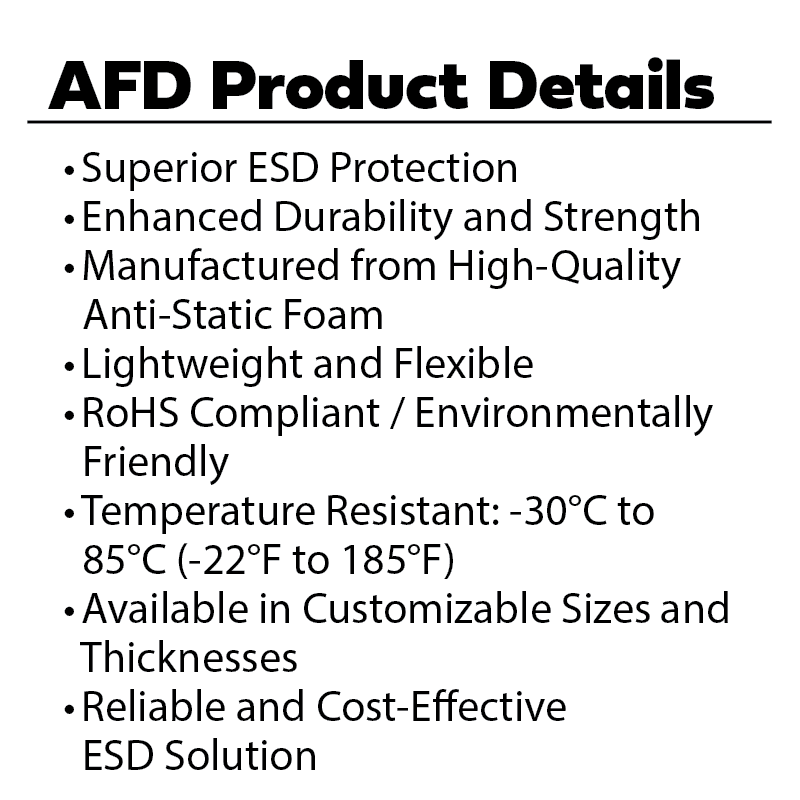
Antistatic ESD foam MC-2085AFD provides soft, flexible cushioning within a 2085-series electronic-component packaging configuration. The pad has a listed 3.50 × 7.00-inch footprint and a 0.25-inch thickness. Its material is soft, antistatic open-cell polyether polyurethane foam.
This product supplies one flat foam cushion. The MC-2085C conductive box, additional cushions and custom component cavities are separate selections. Choose the foam according to the device and its handling requirements as well as the box series.
MC-2085AFD Specifications
| Property | Description |
|---|---|
| Malaster part number | MC-2085AFD |
| Product type | Flat rectangular box foam cushion |
| Listed footprint | 3.50 × 7.00 inches |
| Listed thickness | 0.25 inch |
| Material | Soft, antistatic open-cell polyether polyurethane foam |
| Color | Pink |
| Foam response | Soft, flexible cushioning |
| Supplied as | One individual foam cushion |
| Associated box series | 2085; review the selected box and complete arrangement |
Listed dimensions identify this cushion. Request finished-part tolerances when needed and verify the usable enclosure space and closed-pack fit for the selected device.
Custom Foam Options for Your Component
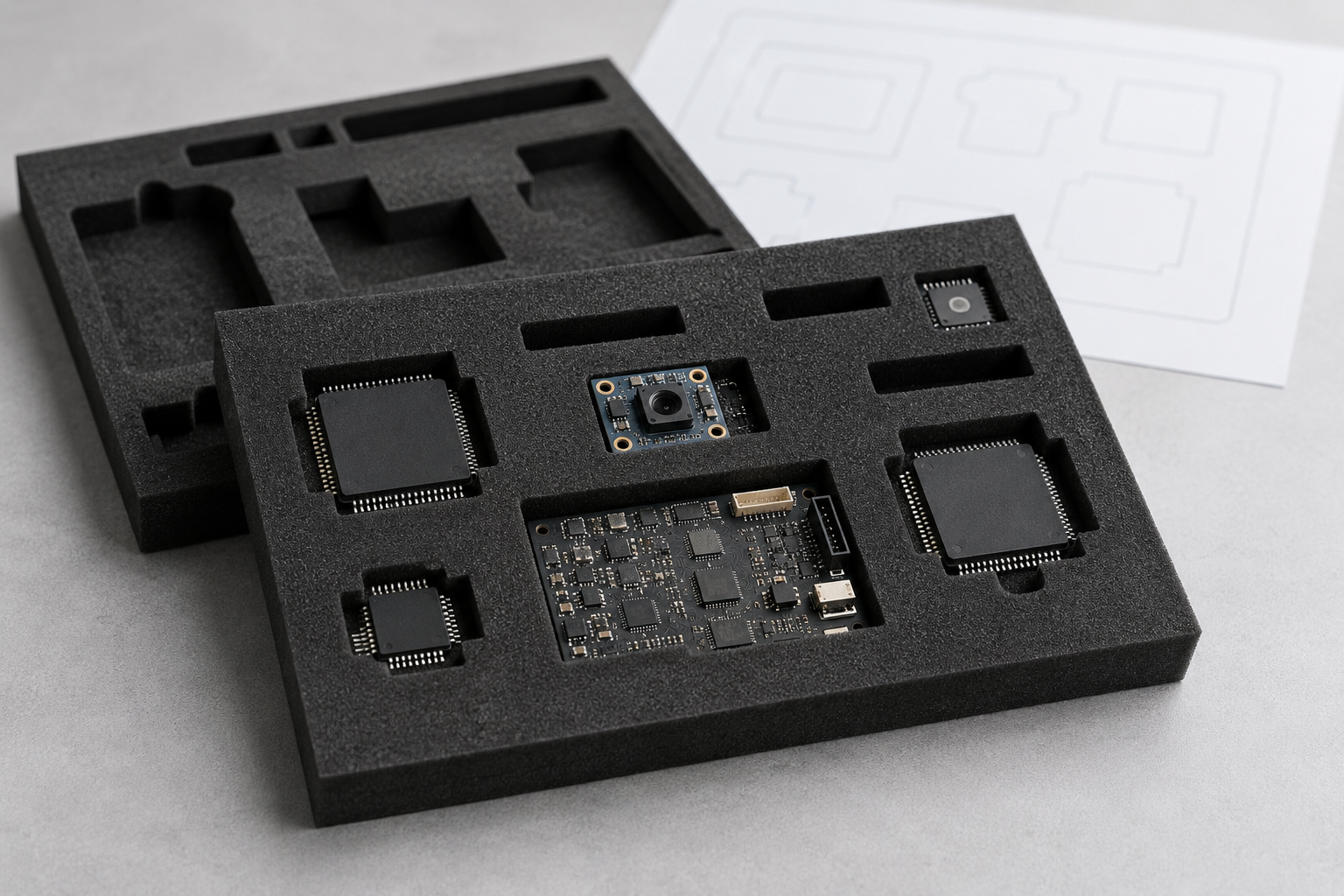
Malaster can review a different cushion thickness, a revised outline or an insert with component-specific cavities when the flat pad does not meet the application. Support areas, relief around sensitive features and access for loading or removal can be evaluated together.
Send the component drawing, current box or cushion part number, permitted contact areas and quantity required. Include the initial order quantity and expected repeat use so the material, design and manufacturing method can be considered together.
Use the custom foam insert specification guide to prepare the available information, then request a custom foam insert. If the surrounding box or packaging method is also undecided, request a complete packaging consultation.
Select the Foam for Its Job
Choose this option when the application calls for soft cushioning with antistatic material behavior. Evaluate how the foam compresses against the permitted support surfaces and whether that contact remains suitable during handling and shipment.
AFD is the soft pink option in this series. AFDF provides a firmer closed-cell alternative, while CFS and CFF are conductive options. AFD should not be substituted for a specified conductive material simply because the pad has the same dimensions.
Associated Box and Other 2085-Series Foam Choices
Review the MC-2085C conductive box for the surrounding enclosure. The following products provide other foam choices in the same series. Select each layer for its intended function and confirm the complete arrangement before substituting materials.
| Foam cushion | Construction and response | Thickness / basis |
|---|---|---|
| MC-2085CFS | Soft, flexible conductive open-cell urethane foam | 0.22 inch nominal |
| MC-2085CFF | Firm, conductive closed-cell cross-linked polyethylene foam | 0.22 inch nominal |
| MC-2085AFD (this product) | Soft, antistatic open-cell polyether polyurethane foam | 0.25 inch |
| MC-2085AFDF | Firm, antistatic closed-cell low-density polyethylene foam | 0.25 inch |
A shared box-series label identifies related products; it does not establish the same foam response, electrical properties or compressed height. For another enclosure size, browse ESD box foam cushions.
Component Contact, Compression and Final Fit
Identify which device surfaces may touch the foam and which leads, terminals, connectors or other features require clearance. If the arrangement requires lead penetration or a conductive contact layer, identify that requirement separately; this pink antistatic cushion is not the conductive foam option.
Consider the full closed-box arrangement: the lower support, the component, any device insert, and any upper cushion. Uncompressed foam thickness alone does not establish the space available for the component or the force applied when the lid closes.
Check that the chosen configuration restrains the part as intended, closes without forcing the lid, and permits controlled loading and removal. A flat pad does not create an individual retaining cavity. If defined component locations or protected features require a shaped support, request an insert review.
The ESD boxes and device protection guide explains the role of the enclosure and its internal packaging.
Material Properties and ESD Considerations
The following material data is recorded in Malaster MDS-AFD-001, Revision A.
| Electrical property | Reported value and basis |
|---|---|
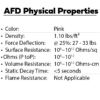
| Surface resistivity | 1 × 10⁸ to 1 × 10¹² ohms per square; typical; ASTM D257 |
| Static decay | 5000 V to 50 V in less than 5 seconds; typical; FTMS 101C, Method 4046 |
These are typical AFD material properties. They are not a lot certificate or a rating for the finished box assembly.
The foam’s material properties do not establish discharge shielding, grounding or the performance of the complete shipping package. Review the enclosure, closure, handling process and any additional protective barrier against the application requirements.
For help comparing the electrical and mechanical choices, read antistatic versus conductive foam. Malaster can provide available material documentation and review specified electrical tests, cleanliness requirements and component-contact conditions for the proposed configuration.
Get Help Configuring Your 2085-Series Package
Provide the device drawing or dimensions, quantity per box, permitted support areas, current packaging part numbers, expected handling or shipping conditions, and any specified material or documentation requirements. Include the required quantity and timing.
Malaster can review antistatic ESD foam MC-2085AFD as a replacement cushion, an alternative foam choice or part of a custom package. Send a custom foam request or discuss the complete packaging requirement.
| Weight | .015 lbs |
|---|---|
| Dimensions | .25 × 3.50 × 7.00 in |
| Box Product Type | ESD Foam Cushion |
| ESD Box Series | 2085 |
| Material | A/S Open-Cell Foam |
$0.760
| Quantity | Price |
|---|---|
| 0 - 99 | $0.760 |
| 100 - 499 | $0.722 |
| 500 - 999 | $0.684 |
| 1000 + | $0.646 |
Please fill in the fields below with the shipping destination details in order to calculate the shipping cost.
Not sure this product is the right fit?
Share your component dimensions, drawing, or packaging requirements. Malaster can help identify a standard product or recommend a custom solution.
Explore Custom Packaging Options