







Compare Conductive and Antistatic Foam
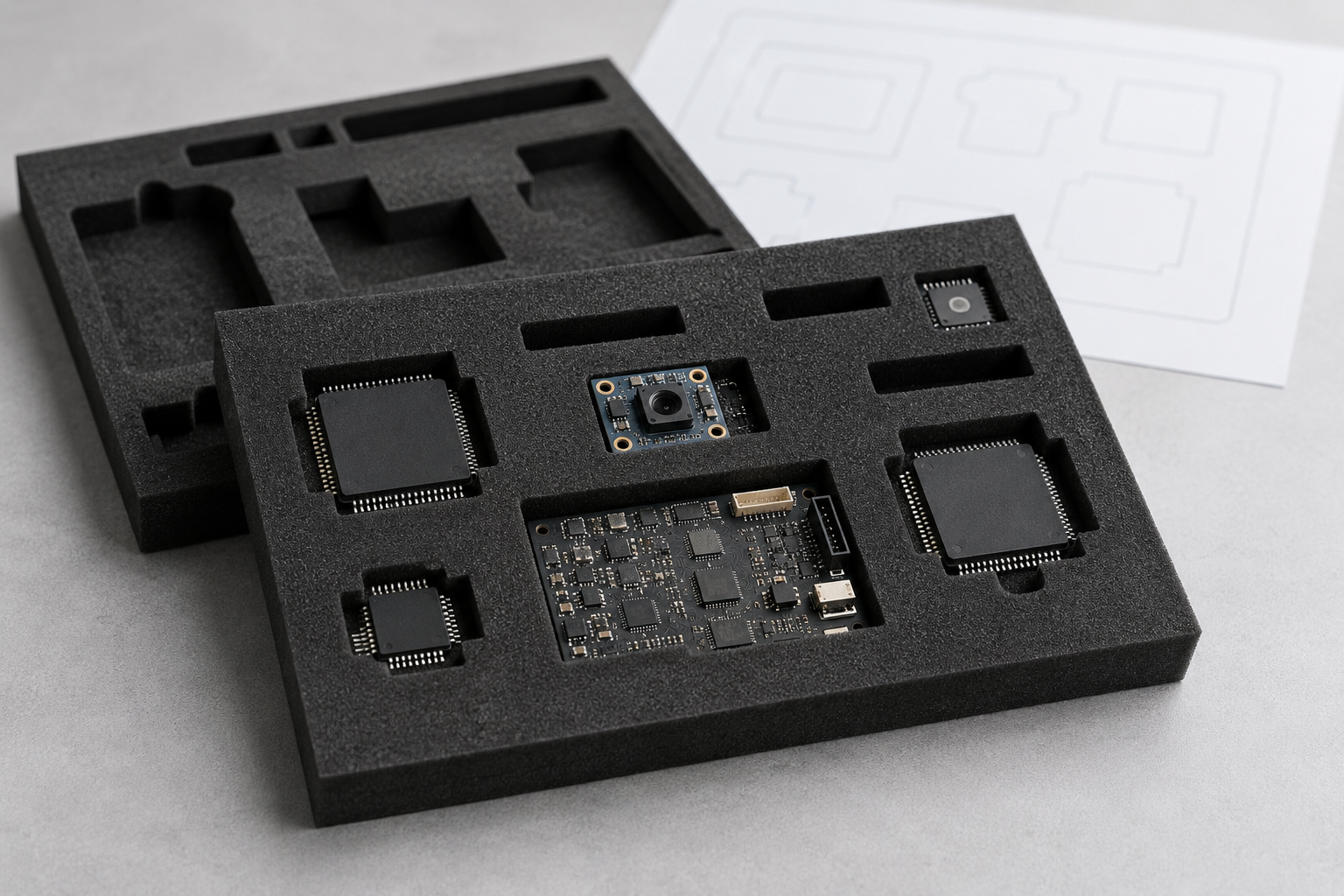
Selecting ESD foam for electronics protection starts with the component, its permitted contact areas and the surrounding box. Soft foam provides compliant cushioning; firm foam provides a more structured support layer. Conductive and antistatic materials have different electrical properties, so choose the material as well as the size.
| Suffix | Material | Response | Standard thickness |
|---|---|---|---|
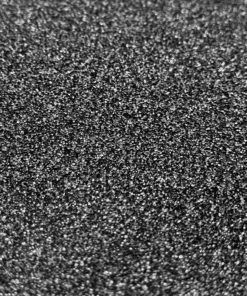
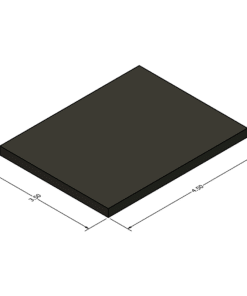
| CFS | Black conductive open-cell urethane | Soft, compressible cushioning | 0.22 inch nominal |
| CFF | Black conductive closed-cell cross-linked polyethylene | Firm support | 0.22 inch nominal |
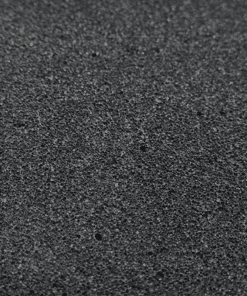
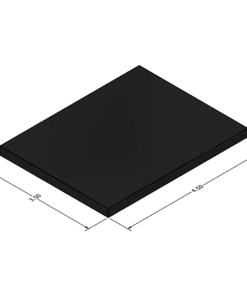
| AFD | Pink antistatic open-cell polyether polyurethane | Soft, flexible cushioning | 0.25 inch |
| AFDF | Pink antistatic closed-cell low-density polyethylene | Firm, lightweight cushioning | 0.25 inch |
Thickness and fit: CFS and CFF are skived foams with thickness variation; 0.22 inch is the nominal value. Specify any required thickness limits with Malaster. Matching footprints do not make different foams interchangeable under compression.
For the differences in electrical behavior and material selection, read antistatic versus conductive foam.
Find Foam and Boxes by Series
Each product supplies one individual flat cushion. Boxes, additional cushions and custom inserts are separate selections. The footprints below describe the cushions; they do not establish usable clearance inside a closed box.
| Series | Cushion footprint | Associated boxes | Foam cushions |
|---|---|---|---|
| 0507 | 5.00 × 7.00 inches | MC-0507C |
MC-0507CFS MC-0507CFF MC-0507AFD MC-0507AFDF |
| 803 | 2.56 × 3.50 inches | MC-803C |
MC-803CFS MC-803CFF MC-803AFD MC-803AFDF |
| 1135 | 3.50 × 4.50 inches |
MC-1135C MC-1135C-75 |
MC-1135CFS MC-1135CFF MC-1135AFD MC-1135AFDF |
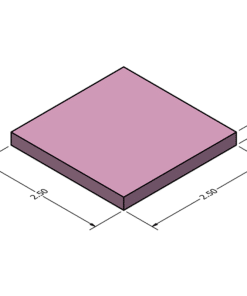
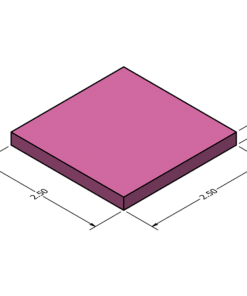
| 1410 | 2.50 × 2.50 inches | MC-1410C |
MC-1410CFS MC-1410CFF MC-1410AFD MC-1410AFDF |
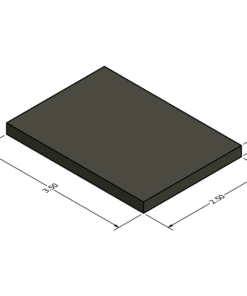
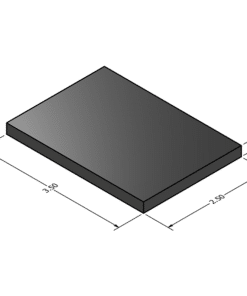
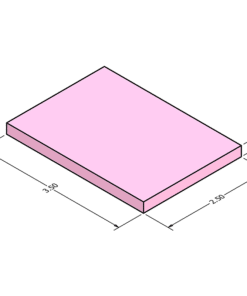
| 2085 | 3.50 × 7.00 inches | MC-2085C |
MC-2085CFS MC-2085CFF MC-2085AFD MC-2085AFDF |
The 1135-series box options have different listed heights. Review the usable space, component height and full cushion arrangement for the selected version.
Check Component Contact, Retention and Closure
- Contact areas: Identify permitted support surfaces and provide clearance for leads, terminals, connectors and fragile features. Confirm whether conductive contact is intended.
- Compression: Consider the lower cushion, component, any insert and any upper cushion together. Check that the lid closes without forcing it or placing excessive pressure on the device.
- Retention: Confirm that the part is restrained as intended and can be loaded and removed safely. A flat cushion does not provide an individual retaining cavity.
- Complete package: Match the foam, enclosure, closure and any additional protective barrier to the handling and shipping requirements. Foam properties alone do not establish a finished-package shielding rating.
Read the ESD boxes and device protection guide for help configuring the enclosure and its internal packaging. Malaster can review specified electrical tests, cleanliness requirements and available material documentation for your application.
Need a Custom Foam Insert?
Malaster can review custom outlines, thicknesses, component cavities, relief around sensitive features and access for loading or removal.
Send a drawing or component dimensions, the box part number, quantity per box, permitted contact areas, handling conditions, order quantity and timing.
Use the custom foam insert specification guide to prepare your requirements.
Still deciding on the enclosure or packaging method? Request a complete packaging consultation.